That Little Booklet in the Box Could Save Your Floors — But Nobody Ever Opens It
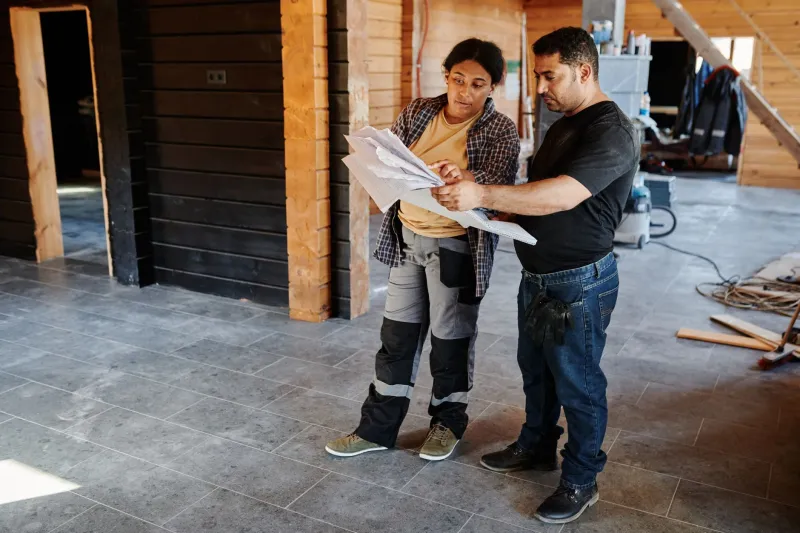
There's a document that comes with virtually every flooring product on the market. It's not flashy. It doesn't have lifestyle photography or glossy finishes. It's usually a folded sheet of paper — sometimes a small stapled booklet — tucked inside the box right on top of the first plank. And in fifteen-plus years of installing floors around Pelham and the surrounding area, we can count on one hand the number of homeowners who've actually read it before we showed up.
That document is the manufacturer's installation specification sheet. And ignoring it is one of the most expensive mistakes a homeowner — or a careless installer — can make.
What's Actually in There
At its core, the spec sheet is the manufacturer's instruction manual for making sure their product performs the way it's supposed to. It covers things like:
- Acceptable subfloor moisture levels before installation begins
- Required acclimation time for the product in your specific environment
- Subfloor flatness tolerances — usually expressed as something like "no more than 3/16 inch over a 10-foot span"
- Approved adhesives or underlayments and which ones will void the warranty
- Temperature and humidity ranges the floor needs to be maintained within after installation
- Expansion gap requirements around walls, cabinets, and transitions
None of this is buried in legalese to trick you. It's there because the people who engineered the product know exactly what conditions their floor needs to survive long-term. When those conditions aren't met, the floor fails. And when a floor fails, the manufacturer almost always points right back to that spec sheet to show why the warranty doesn't apply.
The Moisture Problem Nobody Takes Seriously Enough
Let's talk about moisture, because it's the single biggest culprit behind premature flooring failures — and it's the thing the spec sheet addresses most carefully.
Hardwood, engineered wood, and even many luxury vinyl products are sensitive to moisture in ways that aren't obvious until it's too late. A spec sheet might require that your subfloor test at or below 12% moisture content before installation. That sounds technical, but here's what it means in plain terms: if your concrete slab or wood subfloor is still holding onto moisture from a recent rainfall, a plumbing issue, or just the natural humidity of a Northeast fall, you cannot lay flooring over it without consequences.
What are those consequences? Cupping — where the edges of planks curl upward. Buckling — where the floor lifts off the subfloor entirely. Gapping — where seams open up as the material contracts. All of these things look like defective flooring. Most of the time, they're the result of skipping a moisture test that takes about ten minutes and costs almost nothing.
We test every subfloor before we install anything. It's not optional. It's in the spec sheet.
Acclimation: The Step That Feels Like Doing Nothing
Here's one that homeowners almost universally underestimate: acclimation time.
When new flooring arrives at your home — whether it's shipped from a warehouse or picked up from our showroom — it's been living in a completely different environment than your house. The product needs time to adjust to your home's specific temperature and humidity before it gets nailed, glued, or clicked into place. Depending on the product and your conditions, that might mean 48 hours on the low end or up to 7 days for solid hardwood.
Skip this step, and you're essentially installing a floor that hasn't settled yet. It will settle eventually — after it's locked into place — and that movement shows up as gaps, squeaks, or warping.
The spec sheet tells you exactly how long to wait and under what conditions. It might say the flooring needs to acclimate in the room where it will be installed, not the garage. It might specify that your HVAC needs to be running at normal operating levels during that period. These aren't suggestions. They're requirements.
Subfloor Prep: The Unglamorous Work That Makes Everything Else Work
Another section of the spec sheet that gets glossed over is subfloor preparation requirements. Every manufacturer specifies how flat, how dry, and how structurally sound your subfloor needs to be. And "good enough" almost never is.
A floor that feels solid when you walk across it in shoes might have dips, high spots, or soft patches that only show up after installation. Spec sheets typically require that high spots be ground down and low spots be filled with a leveling compound before any flooring goes in. That's labor. That's time. That's sometimes money that wasn't in the original budget.
When installers skip this step — either to save time or because they didn't bother reading the requirements — the floor telegraphs every imperfection underneath it. You'll feel it underfoot. You'll see it in the way light hits the surface. And over time, the stress points created by an uneven subfloor can cause planks to crack or adhesive to fail.
Why the Warranty Is Worth Less Than You Think
Here's the part that stings. Most flooring warranties look impressive on paper — 25 years, lifetime residential, the works. But those warranties are conditional on the installation meeting every specification in that booklet. Humidity out of range? Warranty voided. Subfloor too wet? Warranty voided. Wrong underlayment? You guessed it.
Manufacturers aren't being unreasonable. They can't stand behind a product that was installed incorrectly. But the practical reality is that many homeowners purchase flooring partly for the peace of mind that warranty provides — and then unknowingly install it in a way that makes that warranty worthless before the first winter is out.
What We Do Differently
At Flooring Pelham, reading the spec sheet isn't an afterthought — it's step one. Before we quote a job, we're looking at what the product requires. Before we install, we're testing your subfloor and confirming your home's conditions meet the manufacturer's standards. If they don't, we'll tell you what needs to happen first and why.
Is that sometimes a harder conversation to have? Sure. Nobody wants to hear that they need to wait a week for acclimation or that their subfloor needs leveling before anything can go in. But that conversation up front is a whole lot easier than the one six months later when a floor is failing and nobody can agree on whose fault it is.
The spec sheet exists so that everyone — the manufacturer, the installer, and the homeowner — is working from the same set of rules. We just happen to be the ones in the room who've actually read it.
If you're planning a flooring project and want to work with someone who takes the technical side as seriously as the aesthetic side, stop by our showroom in Pelham or give us a call. We'll walk you through not just what looks great, but what will actually last.