Claws, Puddles, and Zoomies: The Honest Guide to Flooring That Holds Up to Your Pets
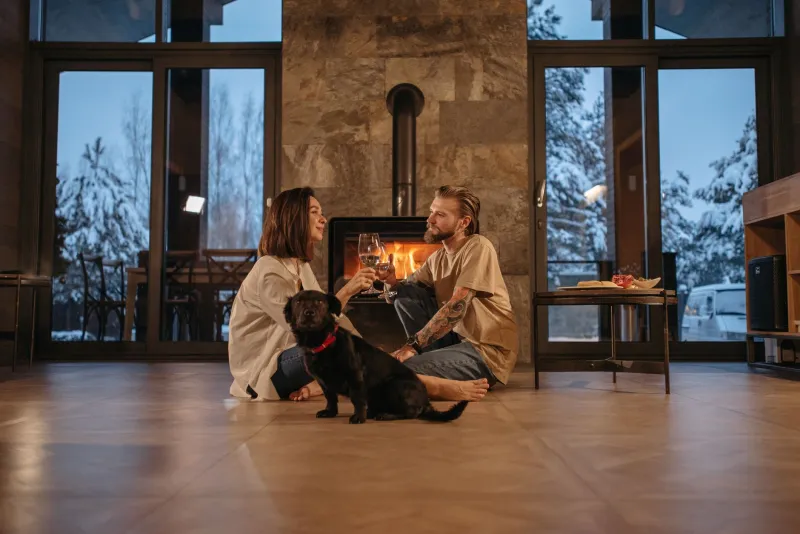
Let's be real. If you have a 70-pound Labrador who slides around every corner or a cat that treats your floors like a personal scratching post, flooring is not just a design decision — it's a survival strategy.
We talk to a lot of pet owners here at Flooring Pelham, and the conversation almost always starts the same way: "I want something that looks nice, but my dog..." or "We love hardwood, but our cat..." You finish the sentence. We've heard every version of it.
The good news? You do not have to choose between a beautiful home and a pet-friendly one. But you do need to go in with honest expectations about what each material can and can't handle. So let's walk through it.
Luxury Vinyl Plank: The Crowd Favorite for a Reason
If there's one material that comes up constantly in pet-owner conversations at our Pelham showroom, it's luxury vinyl plank — LVP for short. And the enthusiasm is mostly warranted.
LVP is 100% waterproof at the plank level, which means accidents — even the ones you don't catch for a while — won't soak into the material and cause warping or staining. The wear layer on quality LVP is also tough enough to resist the kind of light scratching that comes from everyday pet movement. A small dog's nails on a good LVP floor? Generally fine. A large dog doing full-speed laps? You might see some surface scuffing over time, but nothing catastrophic.
One thing to keep in mind: "waterproof plank" doesn't always mean "waterproof floor." If moisture gets into the seams or underneath the flooring, you can still have problems. Proper installation matters here — which is why we always recommend professional fitting, especially in areas where your pets spend a lot of time.
The aesthetic range in LVP has also exploded in recent years. You can get convincing wood looks, stone looks, even tile-style patterns. So style is absolutely not a compromise here.
Tile: The Toughest Option, With One Big Trade-Off
Porcelain and ceramic tile are essentially indestructible when it comes to pet damage. Claws don't scratch it. Accidents wipe up easily. It doesn't absorb odors. From a pure durability standpoint, tile wins.
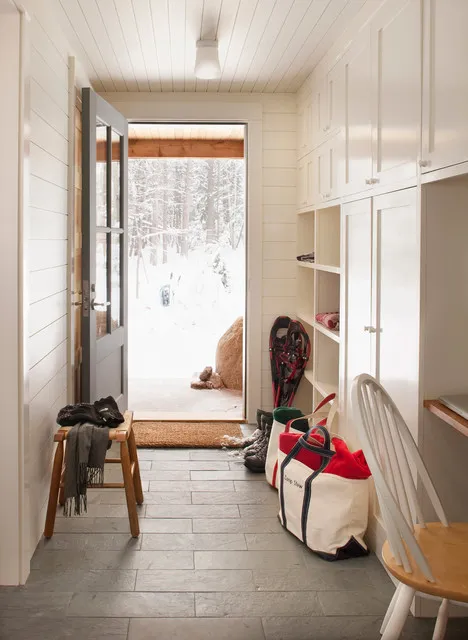
The trade-off is comfort — for you and your pets. Tile is hard and cold, which can be tough on older dogs with joint issues. It's also not the warmest vibe for a living room or bedroom, though it's a fantastic choice for mudrooms, laundry rooms, entryways, and kitchens.
A few Pelham customers have told us they went with tile in the main traffic zones — especially near back doors where pets come in from outside — and paired it with a warmer material elsewhere. That's a smart approach that plays to tile's strengths without letting its limitations define your whole home.
One practical tip: grout lines can trap pet hair and be a pain to clean. Larger-format tiles with minimal grout lines are easier to maintain in a pet household.
Engineered Hardwood: A Solid Middle Ground (With Caveats)
Engineered hardwood gives you the warmth and authenticity of real wood with better resistance to moisture than solid hardwood. It's not waterproof, but it handles humidity and minor spills better than traditional wood flooring.
For pets, the story is mixed. A harder wood species — think hickory or white oak — will resist scratching better than softer options like pine. And a hand-scraped or wire-brushed finish can actually hide minor scratch marks naturally, which is a clever way to stay ahead of the wear.
What engineered hardwood won't forgive: a dog that has accidents regularly and you don't catch them quickly. Repeated moisture exposure in the same spot will eventually cause damage. If you have a puppy in training or an older pet with incontinence issues, this probably isn't your best option for high-use areas.
That said, plenty of pet owners in Pelham have engineered hardwood and love it. The key is being realistic about your pet's behavior and your ability to clean up promptly.
What About Carpet?
Honestly? Carpet and pets are a tough combination. It traps hair, absorbs odors, and stains in ways that are genuinely difficult to fully reverse. If you love carpet and you have pets, we'd steer you toward low-pile, stain-resistant options — and be realistic that you'll probably need to replace it sooner than you would in a pet-free home.
That said, carpet in bedrooms where pets sleep but don't have accidents can work just fine. Context matters.
Real Talk: Maintenance Tips That Actually Help
Beyond the material itself, how you maintain your floors makes a huge difference in how long they last with pets in the house. A few things we consistently recommend:
- Keep nails trimmed. This is the single most effective thing you can do to reduce scratch damage on any floor type.
- Use area rugs strategically. High-traffic pet zones — near food bowls, favorite napping spots, main pathways — benefit from rugs that take the brunt of the wear.
- Clean accidents immediately. Whatever your floor type, the faster you address a mess, the less damage it causes.
- Use furniture pads everywhere. When pets jump on and off furniture, they push it. Felt pads protect floors from that constant low-grade scraping.
- Avoid harsh chemical cleaners. Some floor cleaners leave residue that can actually attract dirt or dull the finish over time. Ask us what we recommend for your specific floor type.
You Don't Have to Sacrifice Style
The myth we hear most often is that pet-friendly floors have to look utilitarian — like you've just given up on aesthetics. That's simply not true anymore. LVP comes in stunning designs. Tile options have expanded dramatically. Engineered hardwood in the right species and finish can be both gorgeous and practical.
The real key is matching the right material to the right space and the right pet situation. That's exactly the kind of conversation we have every day at our Pelham showroom. Bring in photos of your pets, tell us your horror stories, and let's figure out what actually makes sense for your home — not just what looks good on a display board.
Your floors can handle the love. They just need a little help choosing the right material to start with.