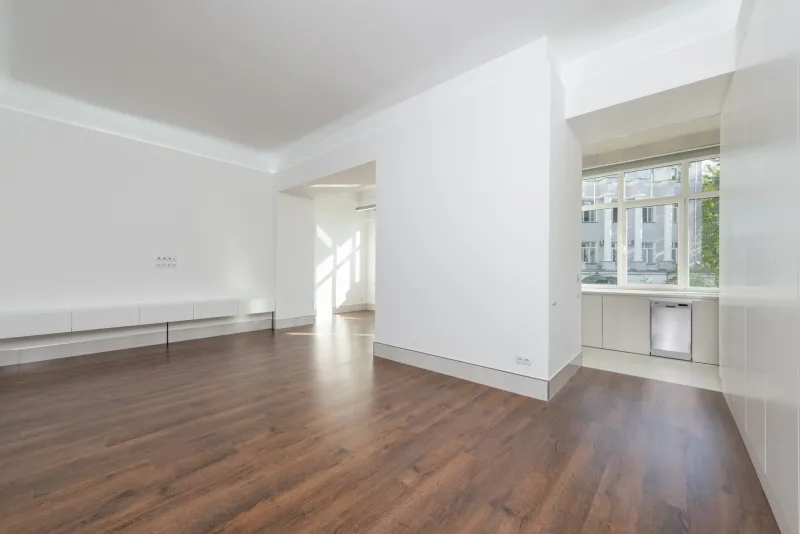
Why Your Floor Is Actually the Starting Point for Every Design Decision in Your Home
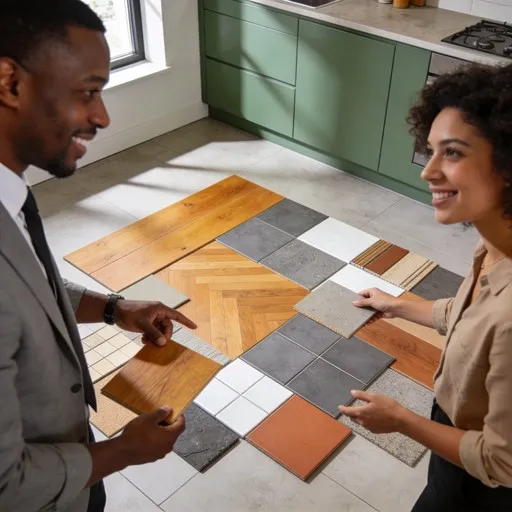
Photo: interior designer choosing flooring samples in bright home living room, via images.stockcake.com
There's a really common way people approach home design, and it goes something like this: pick the paint color you love, find the furniture that matches, choose some lighting, and then — somewhere near the end of the whole process — figure out the floors.
It feels logical. Floors are sort of neutral, right? They're just the thing you walk on.
Except that framing is completely backwards, and it's responsible for a lot of rooms that feel slightly off in ways homeowners can't quite put their finger on. The floor isn't a neutral backdrop. It's the literal foundation of every visual and functional decision in a space. When you choose it last, you're essentially designing in reverse — and you usually end up compromising somewhere along the way.
At Flooring Pelham, we work with homeowners throughout the area who are renovating, building new, or just finally doing something about the carpet they've hated for a decade. And one of the most consistent pieces of advice we give is this: start with the floor. Here's why that matters more than most people expect.
The Floor Is the Largest Uninterrupted Surface in Any Room
Think about it. Walls get broken up by windows, doors, shelves, and artwork. Ceilings are mostly ignored. But the floor? It stretches from wall to wall without interruption. It's the single largest visual element in any room, and it sets the tone before anything else registers.
When you walk into a space with warm, wide-plank white oak floors, you immediately feel something — a certain casual elegance, maybe a farmhouse-meets-modern vibe. Walk into the same room with cool gray tile, and the whole feeling shifts. Same furniture. Same paint. Completely different atmosphere.
That's the ripple effect in action. The floor isn't just a surface — it's a mood-setter, a color reference, and a style anchor all at once.
How Flooring Drives Wall Color Choices
Paint colors are notoriously hard to choose in isolation, and one reason is that the right wall color is almost always in conversation with the floor beneath it. Undertones matter enormously here.
A warm-toned hardwood floor with golden or reddish hues will pull warm tones out of any paint color you put on the wall. Cool-toned whites that look crisp in a magazine can suddenly read yellowish or muddy when paired with a honey-colored oak floor. Meanwhile, a cool gray LVP or a slate tile creates an entirely different palette, making those same cool whites look exactly right.
When you choose the floor first, you're giving yourself a fixed point of reference. Every paint chip you hold up can be evaluated against something real, rather than guessed at in a vacuum. Homeowners in Pelham who come into our showroom often bring paint samples along, and we'll lay them out against floor samples to see how they interact in natural light. It's one of the most useful things you can do before committing to either.
Furniture Style Doesn't Live in a Vacuum Either
Floors also quietly dictate what furniture will and won't work in a space. Not in a rigid, rule-based way — but in terms of what looks cohesive versus what looks like it wandered in from a different house.
A sleek, dark-stained engineered hardwood floor tends to pair naturally with modern or transitional furniture — clean lines, minimal ornamentation, maybe some metal accents. Drop a heavily distressed, rustic wood farmhouse table into that same room and there's a visual tension that's hard to resolve. It's not impossible, but it takes real skill to pull off.
On the flip side, a wide-plank reclaimed-look floor practically begs for furniture with some character — natural textures, linen upholstery, vintage-inspired pieces. Try to put a very contemporary, low-profile sofa in that space and the floor and the furniture will feel like they're having an argument.
This isn't about following rules. It's about understanding that your floor creates a design language, and the rest of the room works best when it speaks the same language.
Lighting Looks Different Over Different Floors — Literally
This one surprises people. The reflectivity and tone of a floor surface actually affects how light moves through a room, which in turn affects how you should approach your lighting plan.
Light-colored, high-gloss floors bounce natural light around beautifully, making a room feel larger and brighter than it actually is. That's a genuine advantage in a smaller Pelham home where square footage is tight. But it also means that warm-toned pendant lights or lamps can create an unexpected color cast when reflected off a cool-toned glossy surface.
Darker matte floors absorb light rather than reflecting it, which can make a large room feel more intimate and grounded — but it also means you may need more artificial lighting than you'd expect to keep the space from feeling dim. Knowing this before you buy light fixtures saves you from a costly trial-and-error process.
Room Functionality Flows From the Floor Up
Beyond aesthetics, flooring choice shapes how a room actually functions — and that has downstream effects on everything from furniture layout to traffic flow.
A kitchen with tile floors will have different acoustics than one with cork or vinyl. A home office with hardwood may require a rug to reduce echo and define the work area. An open-plan living space with continuous flooring throughout reads as one large room, while a transition in flooring material (even a subtle one) can visually divide zones without a single wall going up.
When you're designing a space, thinking about the floor's functional role — not just its appearance — helps you make smarter decisions about rugs, furniture arrangement, and even the activities that happen in the room. A playroom with LVP is a different space to design than one with carpet, and those differences cascade through every other choice.
Start at the Bottom and Work Your Way Up
The takeaway here isn't that flooring is more important than everything else. It's that flooring is the most logical starting point — the decision that gives every subsequent choice a foundation to build on.
When we sit down with homeowners at our Pelham showroom, we often spend the first part of the conversation not talking about products at all, but asking about how the room is used, what style feels like home to them, and what other elements are already fixed (like existing cabinetry or a stone fireplace surround). From there, the floor selection becomes a much more purposeful decision — one that's made with the whole room in mind, not in spite of it.
If you're planning a renovation and haven't figured out your floors yet, consider making that your first call rather than your last. It changes the entire process — and usually for the better.