Silent Damage: The Installation Shortcuts That Come Back to Haunt Pelham Homeowners
There's a particular kind of frustration that hits when you realize the floors you paid good money for are failing — not because of anything you did wrong, but because of something that went wrong during installation. Something invisible. Something that was buried under your beautiful new hardwood or luxury vinyl before you ever walked across it.
We see it more than we'd like to here in Pelham. A homeowner calls us in to assess what looks like a straightforward repair, and what we find underneath tells a story of corners cut months or even years ago. The original floor might look fine from across the room. But get close, and you start to see the gaps, the soft spots, the slight bowing that wasn't there six months ago.
The frustrating part is that these problems are almost always preventable. The not-so-frustrating part? Once you know what to look for — and what questions to ask — you're in a much stronger position to make sure they never happen to you.
The Moisture Problem Nobody Talks About Until It's Too Late
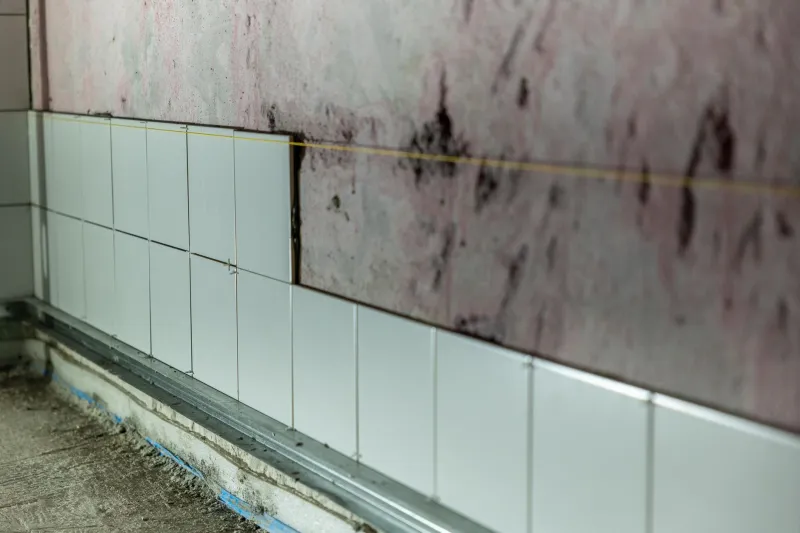
Moisture is the single biggest enemy of most flooring materials, and it's also the most overlooked part of a proper installation. This is especially true in older Pelham homes where basements and crawl spaces can introduce significant humidity into a slab or wood subfloor.
A proper moisture barrier — sometimes called a vapor barrier — sits between your subfloor and your new flooring. Its job is exactly what it sounds like: block moisture from migrating upward and getting trapped beneath your floors. When it's done right, you never think about it. When it's skipped or done carelessly, you eventually end up with warped planks, mold growth, and in serious cases, structural damage to the subfloor itself.
The tricky thing is that moisture damage doesn't announce itself right away. You might get a full year — sometimes two or three — before the signs become obvious. By then, the damage has often spread far beyond what a simple repair can fix. Full floor replacements because of moisture issues are not cheap. We're talking thousands of dollars, and that's before you factor in any subfloor remediation.
Before any installation, your contractor should be testing moisture levels in the subfloor. If they're not mentioning this step, ask about it directly. It's a basic part of the process, not an optional upgrade.
Acclimation: The Step That Gets Skipped When Someone's in a Hurry
Wood and wood-based flooring materials are living, breathing products — even after they've been milled and finished. They expand and contract based on the temperature and humidity of the space they're in. That's just the nature of the material.
Acclimation is the process of letting your flooring sit in the room where it will be installed — usually for anywhere from 48 hours to a week — before a single board gets nailed down. This gives the material time to adjust to the actual conditions of your home, so it's not doing all that expanding and contracting after installation.
When acclimation gets skipped — or rushed because a crew is trying to finish a job quickly and move on — the flooring goes down in one state and then adjusts to another. The result is often buckling, gapping, or cupping. Boards that looked perfectly flat on day one start to warp or separate.
This is one of those mistakes that's almost impossible to fix without pulling the floor up and starting over. Ask your installer specifically how long they plan to let the material acclimate, and where they'll be storing it during that time. The answer tells you a lot about how they approach the job.
Subfloor Prep: Where Budgets Get Cut and Problems Get Born
If there's one area where installation shortcuts happen most often, it's subfloor preparation. It's the least glamorous part of the project — nobody's taking photos of a freshly leveled subfloor for Instagram — and it's also the part that's hardest for a homeowner to inspect or question.
A subfloor that isn't properly leveled, repaired, or cleaned before installation will telegraph every flaw up through your new floors. Soft spots, high points, debris, old adhesive residue — all of it affects how the new flooring sits and how it holds up over time. Floors installed over compromised subfloors are more likely to squeak, flex, crack at the seams, or fail at the adhesive bond entirely.
In older homes especially, subfloor prep can be genuinely time-consuming. There might be old nails to pull, sections that need to be sistered or replaced, significant leveling compound work to do. A contractor who quotes a job without accounting for this work isn't cutting you a deal — they're setting you up for a callback that you'll be paying for.
Ask for a subfloor inspection before installation begins. A reputable installer will want to do this anyway. If there are issues, they should be walking you through what needs to happen and why, not glossing over it to keep the estimate looking attractive.
How to Protect Yourself Before the First Board Goes Down
None of this is meant to scare you away from new floors — they're absolutely worth doing, and a proper installation will last for decades. But going in with a little knowledge changes the dynamic entirely.
Here are a few questions worth asking any flooring contractor before you sign off:
- How do you test for subfloor moisture, and what's your threshold before you recommend a moisture barrier?
- How long will the material acclimate, and under what conditions?
- What does your subfloor prep process look like, and what happens if you find issues once you start?
- What's your warranty on the installation itself — separate from the manufacturer's product warranty?
A contractor who can answer these questions clearly and confidently is one who's done this the right way before. Vague answers or pushback on these questions is information too.
The Real Cost of Getting It Wrong
We've seen moisture barrier issues turn into $8,000 subfloor replacements. We've seen skipped acclimation lead to a full re-installation of hardwood that was barely a year old. We've seen subfloor shortcuts show up as squeaks and soft spots that spread across an entire floor over time.
These aren't rare edge cases — they're predictable outcomes of predictable shortcuts. The good news is that they're also entirely avoidable when you work with someone who takes the prep work as seriously as the final product.
At Flooring Pelham, we talk through all of this before a project starts, not after something goes wrong. If you're planning a new floor installation and want to make sure you're asking the right questions — or if you've already got floors that are showing signs of trouble — come by the showroom or give us a call. We're happy to take a look and give you a straight answer.