Why the Best Flooring Projects Start Weeks Before Anyone Picks Up a Hammer
There's a version of this story that plays out constantly. Someone's got a renovation on the horizon — maybe a kitchen remodel, a basement finish, or just an overdue update to worn-out carpet. They've got a contractor lined up, a rough start date in mind, and a general sense that they'll "figure out the floors when the time comes."
Then the time comes. And suddenly they're scrambling.
The product they wanted is backordered six weeks. The contractor's schedule shifted, and there's a hard deadline now. The flooring they picked up at a big-box store doesn't match the trim they already installed. Sound familiar? It's one of the most common — and most preventable — problems we see at Flooring Pelham.
Here's the thing: great floors don't start with installation. They start with a timeline.
The Hidden Variable That Throws Everything Off
Most people assume flooring is a quick-turn product. Walk in, pick something, have it installed next week. For a handful of in-stock materials, that's sometimes true. But for a lot of the products that actually make a space look finished and intentional — wide-plank hardwoods, custom-stained species, imported tile, or specific engineered products — lead times can run anywhere from two to eight weeks. Occasionally longer.
That window isn't just about waiting for a truck to show up. It includes order processing, freight, and any acclimation time the material needs once it arrives. Hardwood, for example, needs to sit in your home's environment for several days before installation so it adjusts to your humidity levels. Skip that step and you're looking at warping, gaps, or worse down the line.
If your contractor is ready to go and your floors aren't there yet, you're either paying for idle time or reshuffling an entire project schedule. Neither is fun.
When Should You Actually Start Shopping?
A reasonable rule of thumb: start thinking about flooring at least six to eight weeks before your target installation date. For larger projects, custom materials, or anything involving a full-home renovation, push that to three months or more.
Here's a loose breakdown of how that timeline tends to shake out:
Eight or more weeks out: This is your research phase. What materials are you drawn to? What's the traffic level in each space? Are there pets, kids, or moisture concerns? Getting clear on the practical requirements before you fall in love with something is the smartest move you can make. This is also a good time to walk into a showroom like ours and start having real conversations — not to buy, but to understand your options.
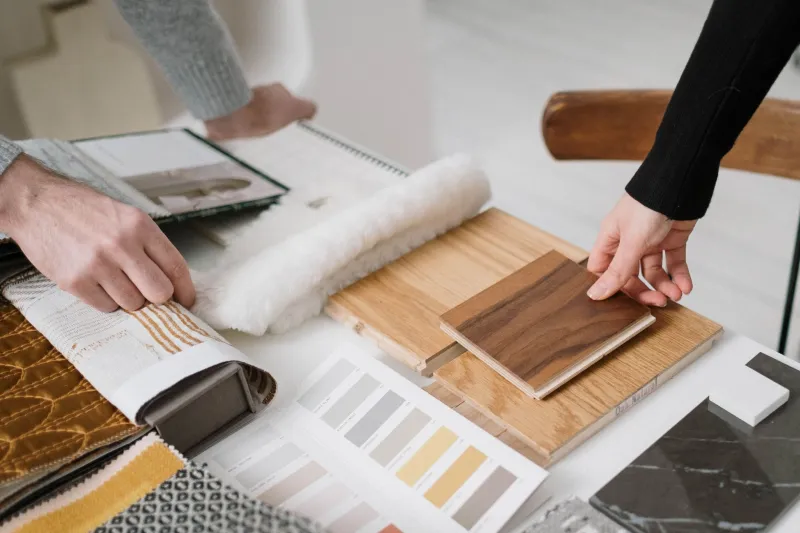
Six weeks out: Start narrowing. Bring samples home. See how they look in your actual light, next to your actual walls and furniture. This is also when you want to confirm lead times for your top choices and get an order placed if anything requires special sourcing.
Four weeks out: Finalize your selection and place the order. This gives you a buffer for any shipping hiccups and ensures the material has time to arrive and acclimate properly before your installer shows up.
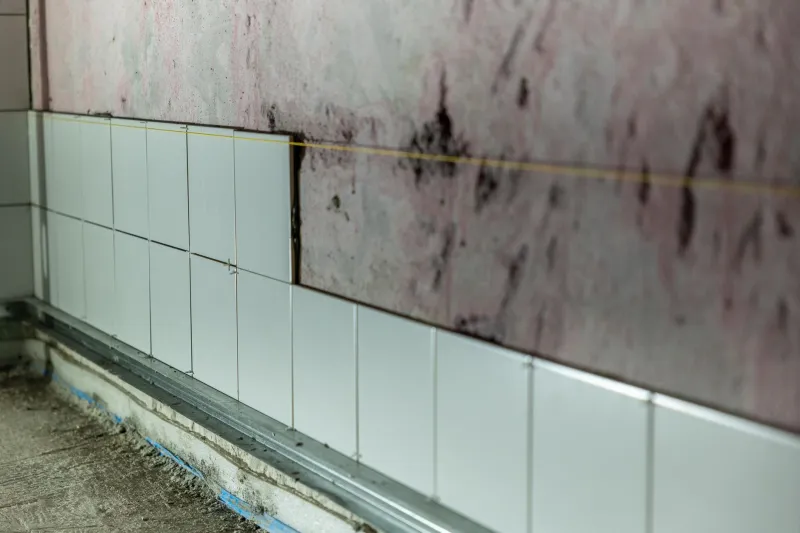
Two weeks out: Confirm delivery, double-check quantities, and make sure your subfloor situation is handled. If there are any surprises underneath — old adhesive, uneven concrete, damaged plywood — you want to know now, not the morning installation is supposed to start.
Seasonal Timing Actually Matters
Here in the Northeast, the time of year you're installing floors isn't just a calendar detail — it affects the product itself. Hardwood expands and contracts with humidity. Winter in Pelham means dry indoor air and low humidity, which can cause wood to shrink slightly. Summer brings moisture that makes it expand. Neither is a dealbreaker, but both affect how your installer will approach spacing and acclimation.
There's also a practical scheduling reality. Spring and early fall tend to be the busiest seasons for flooring contractors. If you're planning a spring project and you call in March hoping to get started in April, you may find that quality installers are already booked out. Starting your search in January — even just making initial contact and getting on a schedule — can be the difference between getting your first choice of contractor and settling for whoever happens to be available.
Contractor Scheduling Is a Two-Way Street
Speaking of installers — your floor selection and your contractor's calendar need to be coordinated, not sequential. A lot of homeowners pick a floor and then look for someone to install it. That works sometimes, but it can also leave you stuck.
At Flooring Pelham, we handle both sides of that equation. When you're working with us, the product conversation and the scheduling conversation happen together. We know what's in stock, what needs to be ordered, and how to sequence things so there's no gap between "floors arrive" and "installer shows up." That kind of coordination is genuinely hard to replicate when you're buying materials from one place and hiring labor from another.
The Cost of Waiting
Beyond the stress of scrambling, late planning has real financial consequences. Rush shipping is expensive. Expedited orders often come with premiums. And if your project gets delayed because materials aren't ready, you may be paying for contractor time that isn't being used productively — or losing your spot in someone's schedule entirely.
There's also the less obvious cost of making a rushed decision. When you're under pressure to pick something fast, you're less likely to do the homework that leads to a choice you'll be happy with for the next decade. We've talked to plenty of homeowners who settled on a floor because they were out of time, and the regret tends to show up around year two or three when the novelty wears off.
Give Yourself the Gift of Time
This isn't a complicated message, but it's one that's easy to ignore until it's too late: start earlier than you think you need to. The flooring decisions that go smoothly are almost always the ones where someone took the time to think ahead, ask questions, and work through a real plan before committing.
If you've got a project on the horizon — even a vague one — it's worth stopping by our showroom in Pelham sooner rather than later. Not to buy anything. Just to start the conversation. That's usually where the good projects begin.