Your Warranty Won't Save You If You Made These Flooring Mistakes First
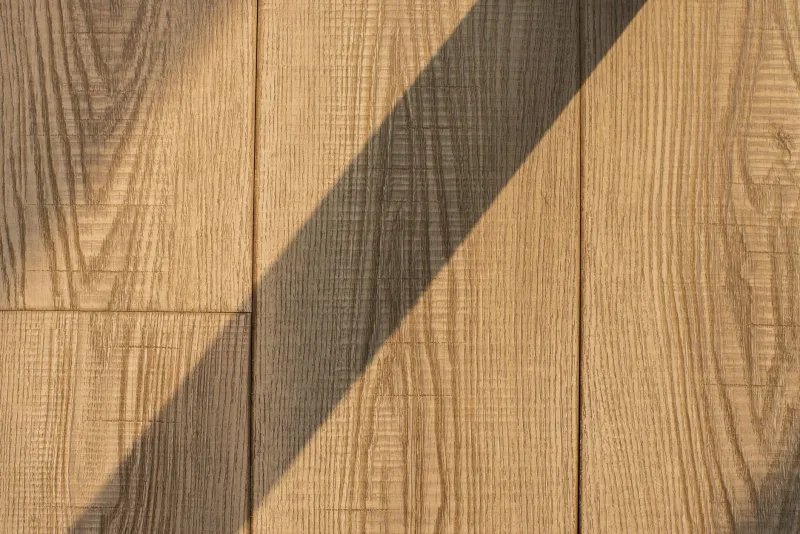
There's a conversation that happens at our showroom more often than we'd like. A homeowner walks in, frustrated, holding a phone full of photos showing warped planks or separating seams — and they're convinced the manufacturer is going to make it right. Then we ask a few questions. And pretty quickly, it becomes clear the warranty is already gone.
Not because the floor was bad. Because somewhere along the way, something went wrong that the manufacturer won't cover. And the homeowner had no idea they were doing anything wrong in the first place.
That's the thing about flooring warranties — they look reassuring on paper, but they come loaded with conditions. Miss one, and you're on the hook for repairs that can run into the thousands. Here's a breakdown of the most common ways Pelham homeowners accidentally void their coverage, and what you can do to stay protected.
The Acclimation Step Nobody Takes Seriously
Most flooring products — hardwood especially, but also certain laminates and engineered options — need time to adjust to the temperature and humidity of your home before they're installed. This is called acclimation, and it typically means leaving the material in the room where it'll be installed for anywhere from 48 hours to a full week.
Skip it, or rush through it, and the floor can expand or contract after installation in ways that cause gapping, buckling, or cupping. Here's the kicker: manufacturers know when this step was skipped. They can tell from the pattern of the damage. And almost every warranty we've seen explicitly requires proper acclimation as a condition of coverage.
We've had customers come in after a fast installation — contractor was in a hurry, materials sat in the garage overnight — and the floor started moving within a few months. When the claim was filed, it was denied. The fix came out of pocket.
Subfloor Problems That Got Glossed Over
This one shows up constantly. A homeowner gets excited about new floors, the installer shows up, and everyone just wants to get moving. The subfloor has a few soft spots, maybe a slight dip in one area, but it doesn't seem like a big deal. So the new floor goes down on top of it.
Manufacturers are very specific about subfloor requirements — flatness tolerances, moisture levels, structural integrity. If those conditions aren't met before installation, the warranty is void. Full stop. And if the subfloor issues cause problems later (which they will), you're looking at tearing up the new floor, fixing what's underneath, and reinstalling. That's not a small bill.
At Flooring Pelham, we always recommend getting a proper subfloor assessment before any materials are selected. Not after. The condition of what's underneath determines what you can install and how it needs to be prepped. Skipping that step to save time almost always costs more in the long run.
Using the Wrong Cleaning Products
This one catches people off guard because it seems so minor. You're just cleaning your floors — how could that void a warranty?
Easily, it turns out. Many flooring warranties specifically prohibit certain types of cleaners: steam mops, oil-based soaps, abrasive scrubbers, or products with high pH levels. Hardwood warranties in particular are strict about moisture exposure. Use a steam mop on the wrong floor a few times, and you've introduced enough moisture to cause real damage — and invalidated your coverage in the process.
We keep a short list at the showroom of manufacturer-approved cleaning methods for every product we carry. It's one of the first things we go over when someone picks up their materials. If your installer didn't mention it, or if you've lost track of what you're supposed to use, call us. It's worth a five-minute conversation.
Furniture and Area Rug Mistakes
Two things that seem totally harmless: putting furniture directly on your new floors without felt pads, and laying down an area rug with a rubber backing.
Scratch marks and pressure indentations from heavy furniture can void surface warranties faster than almost anything else. And rubber-backed rugs — especially on hardwood or certain vinyl products — can trap moisture and cause discoloration or finish damage that manufacturers won't cover because it's considered improper use.
Felt pads on every chair and table leg. Rugs with breathable, non-rubber backings. These are small details that add up to a lot of protection over time.
Not Registering the Product or Keeping Your Records
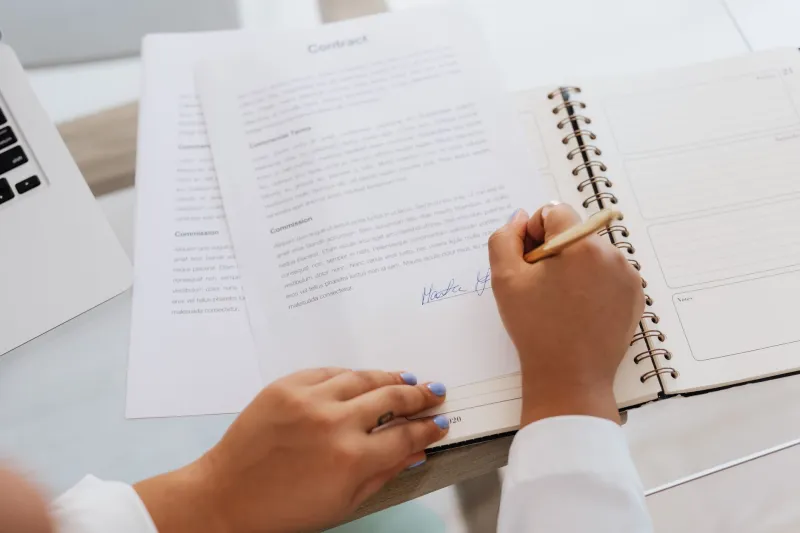
Some warranties require registration within a specific window after purchase. Others don't require registration but do require you to keep your original receipt, installation records, and product documentation. Lose those, and even a legitimate claim can be denied simply because you can't prove when or how the floor was installed.
We tell every customer: photograph your installation, keep a digital copy of your receipt, and file away the warranty documentation somewhere you'll actually find it in three years. It sounds like overkill until you need it.
What Manufacturers Quietly Don't Cover
Beyond the installation and maintenance conditions, there are categories of damage that most warranties exclude altogether — and homeowners are often surprised to learn about them after the fact.
- Natural variation in wood: Grain differences, color shifts, and minor character marks in hardwood are almost never covered. They're considered part of the material, not defects.
- Humidity fluctuations: If your home doesn't maintain consistent temperature and humidity levels (most manufacturers specify a range), damage from seasonal movement isn't covered.
- Indentations from high heels or heavy rolling loads: Stiletto heels and office chairs with hard casters can dent or scratch floors in ways that void surface warranties.
- Sunlight fading: Most warranties exclude UV-related color changes unless you specifically purchased a product with UV-resistant finish — and even then, coverage is limited.
None of this is hidden, exactly. It's in the fine print. But fine print doesn't get read until something goes wrong.
How to Actually Protect Your Investment
The good news is that avoiding most of these issues isn't complicated — it just requires a little attention upfront.
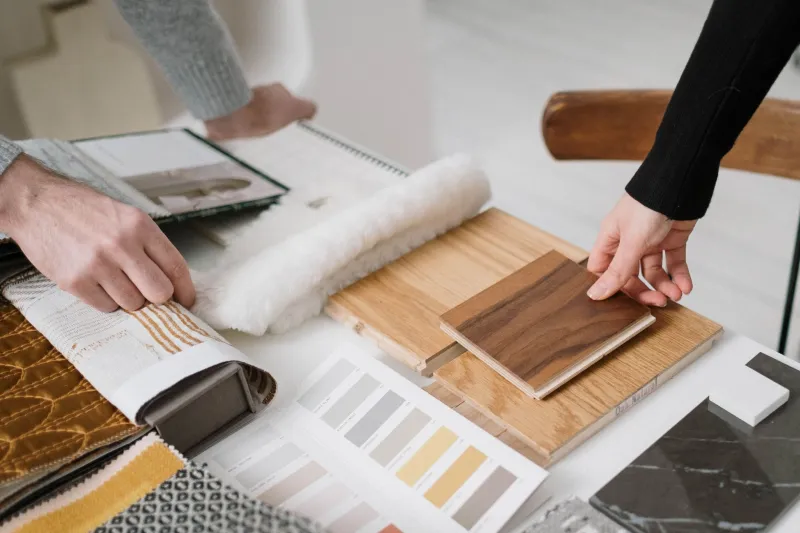
Start with a showroom conversation before you buy anything. At Flooring Pelham, we walk through the warranty conditions for every product we carry so you know what you're agreeing to. We talk about your subfloor, your lifestyle, your cleaning habits, and your home's humidity levels. That context shapes what we recommend.
Then, make sure your installer is following manufacturer specs to the letter — not cutting corners on acclimation, not skipping subfloor prep, not improvising on transition or adhesive requirements. Ask for written documentation of the installation process.
After installation, follow the care instructions. Keep your records. Register the product if required. And if something looks off — a plank that seems loose, a seam that's separating — address it early rather than waiting to see if it gets worse.
Warranties are worth having. But they only work when you hold up your end of the deal. The homeowners who get the most out of their flooring investment aren't the ones who bought the most expensive product — they're the ones who paid attention to the details from day one.
We're here to help with that. Stop by the showroom or give us a call, and let's make sure your next floor is one you're still happy about years from now.