Why Your Floors Are Costing You Buyers Before They Even Make an Offer
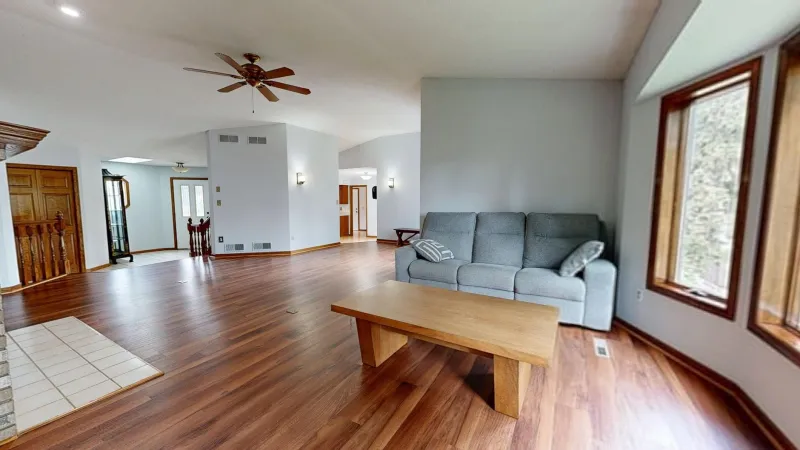
You've priced the house right. You've decluttered, touched up the paint, and maybe even swapped out the light fixtures. But if the floors haven't been part of that conversation, you might be leaving serious money on the table — or worse, watching buyers walk out the door without making an offer at all.
In the Pelham real estate market, buyers move fast and judge even faster. And one of the very first things they clock when they walk through the front door? The floors. Not consciously, necessarily — but the brain registers worn, dated, or mismatched flooring almost immediately, and it shapes everything that comes after. That gut reaction is hard to shake, even when the rest of the house is in great shape.
So before you list, it's worth taking a hard, honest look at what your floors are communicating.
The Styles That Are Quietly Dating Your Home
Flooring trends move slower than paint colors or furniture styles, but they do move. And certain looks have aged out of buyer favor in a pretty significant way.
Dark, heavily hand-scraped hardwood that peaked in the mid-2000s can make a space feel heavy and dated. Thick, high-pile carpet in bedrooms — especially in bold or earthy tones — reads as old-fashioned to most buyers under 45. And those small, diamond-pattern ceramic tiles that were everywhere in the 1990s? They're not charming vintage. They're just dated.
None of this means you need to gut every room before you sell. But if you've got one or two spaces with flooring that's clearly out of step with current tastes, it's worth thinking strategically about where a refresh will have the most impact. The main living areas and the primary bedroom are where buyers form their strongest impressions. Start there.
Mismatched Transitions Are a Bigger Problem Than You Think
One of the most common — and most overlooked — flooring issues in homes that linger on the market is poor transitions between rooms. We're talking about places where hardwood meets tile with an awkward metal strip that was clearly an afterthought. Or where the flooring in the hallway is a completely different wood tone than the adjacent living room, creating a choppy, disconnected feel.
Buyers notice this. It signals that the home has been patched together over the years rather than thoughtfully maintained. And in a market where move-in-ready is a major selling point, anything that reads as "project" tends to knock perceived value down.
The good news is that transition fixes are often relatively affordable compared to full floor replacements. Sometimes it's as simple as replacing an outdated threshold strip with something cleaner. Other times, it's worth consulting with a flooring professional about whether a partial refinish or a strategic flooring extension can create better visual flow between spaces.
Signs of Neglect That Buyers Can't Unsee
Worn flooring and old flooring are two very different things. A hardwood floor that's 30 years old but has been properly maintained can actually feel like a selling point — it speaks to character and quality. A hardwood floor that's only 10 years old but covered in deep scratches, pet stains, and dull, worn finish? That's a liability.
Common red flags buyers notice include:
- Deep scratches and gouges in hardwood that suggest the surface hasn't been protected or refinished
- Staining or discoloration in carpet, especially near pet areas or high-traffic zones
- Grout lines in tile that are dark, cracked, or inconsistently colored from years of spotty cleaning
- Vinyl or laminate with peeling edges, bubbling, or lifting seams — these suggest moisture issues, which is a whole separate concern for buyers
- Squeaky or uneven spots that hint at subfloor problems beneath the surface
Some of these are cosmetic. Others are structural. Knowing the difference matters before you decide how to address them.
When Refinishing Is Worth It — and When It Isn't
If you've got solid hardwood floors that are just showing their age, refinishing is almost always worth exploring before a sale. A professional refinish can genuinely transform a room, and the cost-to-value ratio is hard to beat. In many cases, you'll recoup the investment in the form of a higher offer or a faster sale — sometimes both.
The key is getting a professional assessment first. Not every hardwood floor can be refinished — if the boards are too thin from previous refinishes, or if there's significant structural damage, you may be looking at replacement instead. A local flooring contractor can give you a straight answer on what you're working with and what makes financial sense.
For carpet, the calculus is a bit different. If the carpet is heavily stained, odor-saturated, or just deeply worn, replacement is usually the smarter move. A professional cleaning can only do so much. And buyers in today's market — many of whom prefer hard surface flooring anyway — often see carpet as something they'll want to change out eventually. Replacing it with a neutral, mid-range option before you list takes that mental math off their plate.
The Strategic Refresh: Not Everything Needs to Be Perfect
Here's the thing — you're not trying to renovate your home. You're trying to sell it. That means the goal isn't perfection; it's removing objections.
Focus your pre-listing flooring efforts on the spaces that make the biggest impression: the entryway, main living areas, kitchen, and primary bedroom. If those spaces look clean, cohesive, and reasonably updated, buyers will extend more grace to secondary bedrooms or a finished basement that's a little more worn.
It also helps to think about what your competition looks like. In Pelham, if comparable homes in your price range are showing updated, well-maintained floors, yours needs to at least keep pace. If your neighborhood tends toward older stock that buyers expect to update, your bar might be lower.
Either way, a conversation with a flooring professional before you list — not after you've already gotten lowball offers — is one of the smarter moves you can make. At Flooring Pelham, we work with homeowners navigating exactly this kind of decision all the time. Sometimes the answer is a full replacement. Sometimes it's a refinish, a few transition fixes, and a really good cleaning.
The point is to know what you're dealing with before buyers start forming opinions you can't change.
Don't Let the Floors Be the Reason
Selling a home is stressful enough without leaving easy wins on the table. Flooring is one of the few areas where a targeted investment — made at the right time, with the right guidance — can meaningfully shift how buyers perceive your home and what they're willing to pay for it.
If your home has been sitting, or if you're getting ready to list and want an honest read on where your floors stand, come see us. We'll walk through what's worth fixing, what's worth replacing, and what you can probably leave alone. No pressure, no oversell — just a straight answer from people who know floors and know Pelham.