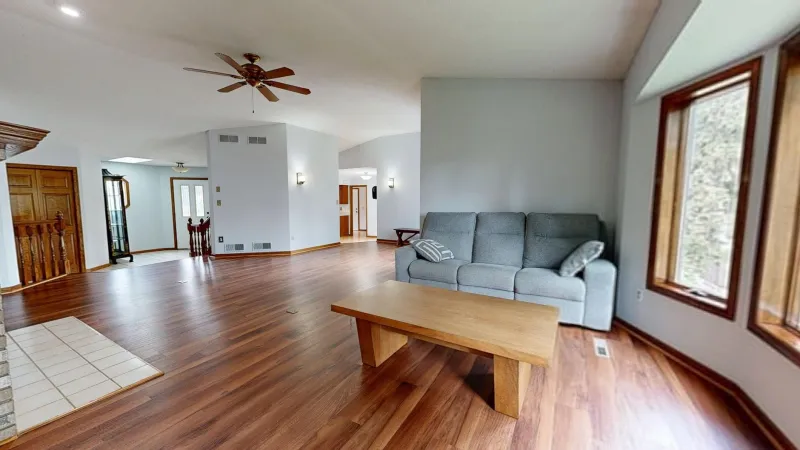
When You Renovate Matters Just as Much as What You Install

Everybody obsesses over the product. Hardwood or LVP? Wide plank or narrow? Light oak or something with a little more gray in it? Those are all legitimate questions, and we love helping people work through them. But there's a question that almost never comes up in those early conversations, and it's one that can quietly make or break a flooring project: When are you actually doing this?
Timing isn't glamorous. It doesn't show up on a mood board. But get it wrong and you're looking at longer wait times, higher costs, rushed installation, and floors that underperform before you've even had a chance to enjoy them. Get it right, and the whole thing goes smoother than you'd expect.
Let's talk about how to think through the timing side of a flooring renovation — because it deserves a lot more attention than it usually gets.
Contractor Availability Isn't Consistent Year-Round
Spring and early summer are peak renovation season in the Northeast. Homeowners come out of winter with a project list and a budget, and flooring contractors get slammed. That's just reality. If you're calling around in April hoping to get on the schedule in two weeks, you may be disappointed — or you may end up with whoever happens to be available, which isn't always the crew you want.
Fall and winter, on the other hand, tend to free things up. Contractors are more accessible, lead times shrink, and in some cases you have more negotiating room. If your project isn't tied to a hard deadline, scheduling during an off-peak window can mean better attention, tighter timelines, and occasionally better pricing.
That said, there are real tradeoffs. Installing hardwood in the dead of winter requires careful attention to humidity levels. Homes in Pelham can get dry fast once the heat kicks on, and wood floors need acclimation time to adjust before installation. A good contractor will walk you through this — but it's worth knowing going in.
Selling Your Home? The Timing Math Changes Completely
If new floors are part of a plan to sell, the calculation shifts significantly. You're not just thinking about your own comfort or preferences — you're thinking about how the floors will photograph, how they'll show during open houses, and whether buyers will perceive them as fresh or already lived-in.
General rule of thumb: install new floors far enough ahead of listing that they've had time to settle and be properly cleaned, but not so early that they accumulate visible wear before showings start. A few months out from your listing date is usually the sweet spot.
Spring listings tend to get the most foot traffic in most markets, so if you're targeting a March or April list date, you probably want floors wrapped up by late January or February at the latest. That gives you time to finish the rest of the staging prep without floors being the last thing scrambled together.
Rushing floors in right before listing is one of the more common mistakes we see. Off-gassing from adhesives, minor settling, touch-up work — all of that needs breathing room. Buyers notice when something feels like it was done in a hurry.
Life Events Have Their Own Flooring Logic
Beyond the market and the seasons, your own life circumstances should factor into the timing conversation. A few scenarios worth thinking through:
New baby on the way. This is actually a great motivator to get flooring done early. Finishing a project with a newborn in the house is miserable for everyone. If you're renovating partly to prepare the home for a growing family, earlier is almost always better.
Recent move-in. If you just bought a place and you're still figuring out how you're going to use each room, it might be worth living in the space for a few months before committing to floors. Traffic patterns, furniture placement, natural light — all of that influences what product will actually work best in each area. There's no award for rushing.
Major life disruption (divorce, job change, estate situations). These are the moments when people sometimes make impulsive renovation decisions. Big flooring projects require attention and decision-making capacity. If you're in the middle of a chaotic life moment, it's okay to wait until things stabilize a bit. The floors will still be there.
The Hidden Costs of Rushing
Here's what people don't always see upfront: rushing a flooring project almost always costs more, one way or another.
When you're working against a tight deadline, you're less likely to shop around for the right product. You're more likely to accept the first available installer rather than the best one. You might skip proper subfloor prep to save time. You might order the exact square footage you need rather than building in a buffer — and then scramble if something breaks or gets cut wrong.
Strategic planning, even just a few extra weeks of lead time, creates room for better decisions. You can order samples, compare a few quotes, ask questions without feeling like you're holding everything up. That breathing room tends to translate directly into better outcomes and fewer post-installation headaches.
So When Is the Right Time?
Honestly, there's no universal answer — it depends on your situation. But here are a few general principles that tend to hold:
- Plan earlier than feels necessary. Most flooring projects take longer from first inquiry to finished install than homeowners expect. Factor in product lead times, scheduling, subfloor work, and acclimation.
- Avoid peak season if you have flexibility. Late fall and winter often offer better contractor availability without a meaningful sacrifice in quality.
- Align your timeline with your goal. Selling, staying long-term, and preparing for a family event each have different timing logic. Know your goal first.
- Build in buffer. Between life, supply chains, and the occasional surprise under the old flooring, things rarely go exactly to schedule. A little cushion goes a long way.
At Flooring Pelham, we talk through timing with every customer who comes in — not because we want to slow things down, but because a well-timed project is almost always a smoother one. If you're in the early stages of thinking about new floors, come in and let's figure out not just what makes sense, but when it makes sense. That conversation is free, and it might save you more than you'd think.